SaaS Link Building
How to Increase Domain Authority: What Moves the Score
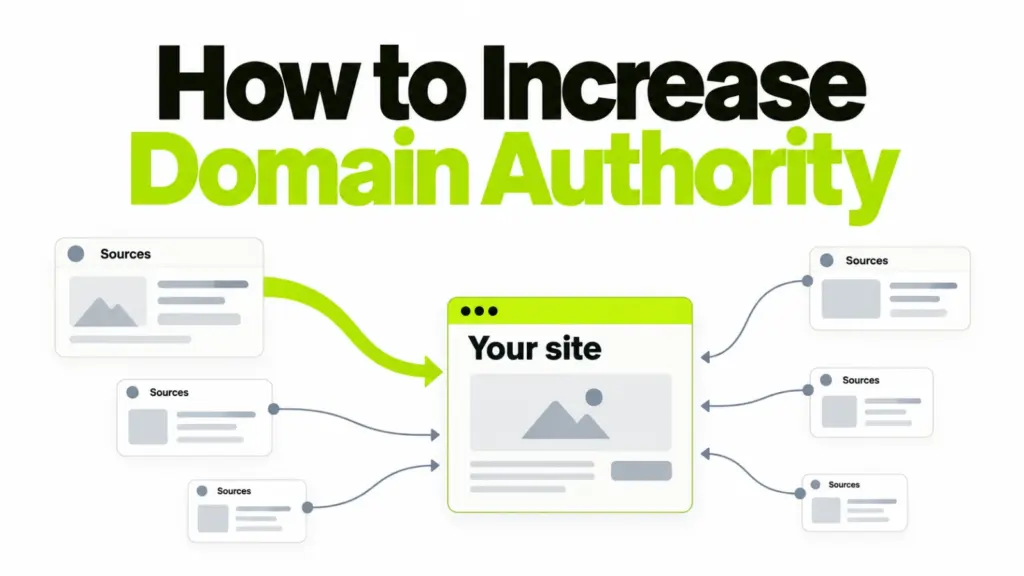
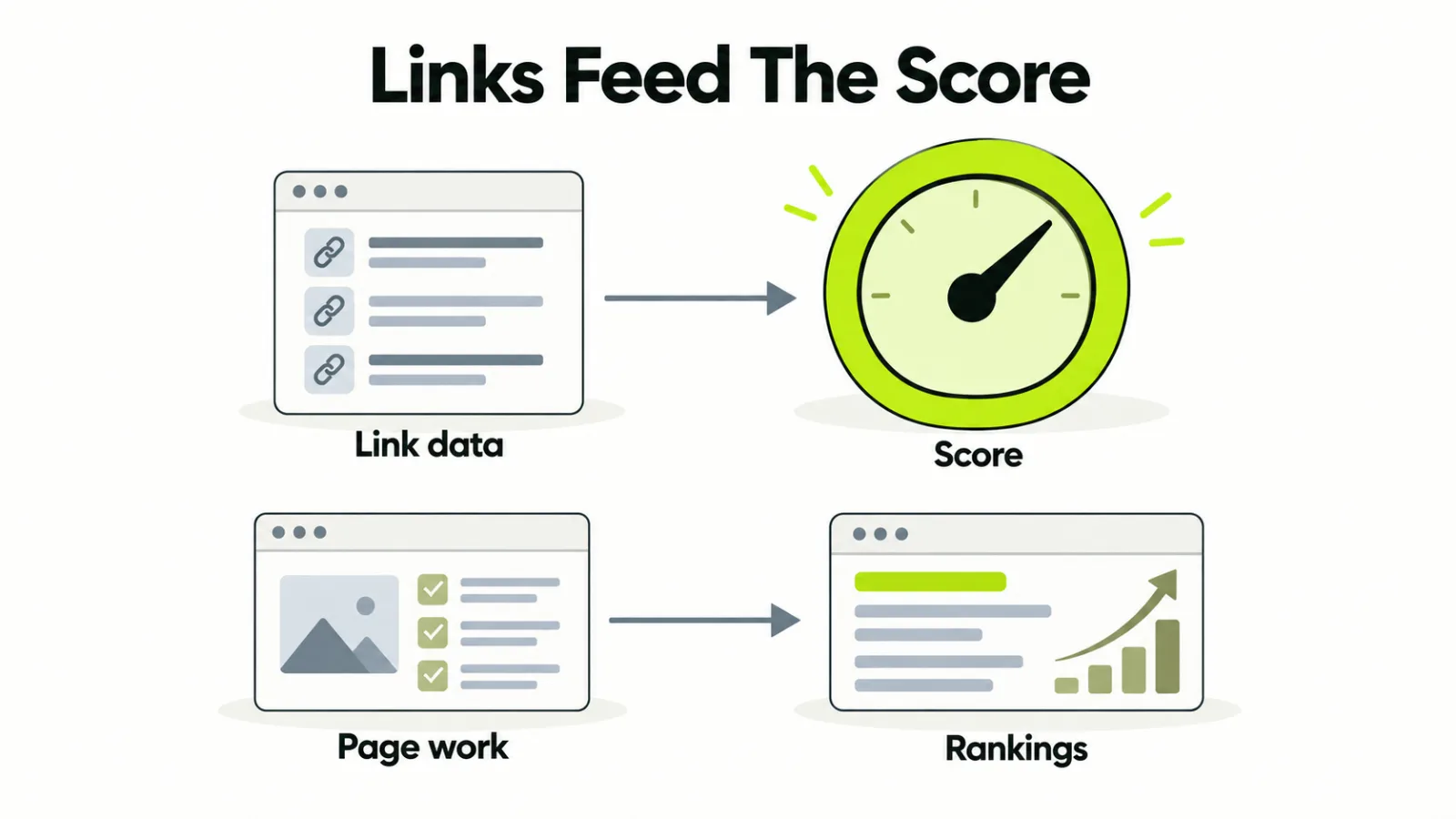
To increase domain authority, earn links from relevant sites that carry authority of their own. The score is built from link data, so only link work moves it. Page speed and on-page changes can’t.
That’s the short version of how it works, and it changes what’s worth doing. Here’s the order that moves the number, and what to skip.
The score is built from links
Ahrefs calculates DR from the quality and quantity of the referring domains pointing at your site, weighted by the authority of those domains. Moz builds DA from its own link index. Both are built from link data rather than from your pages.
Our definition pages cover how each is calculated: domain rating and domain authority. Neither is a ranking factor at Google, so treat both as a measure of link strength rather than a lever.
That makes the question narrower than it looks. You aren’t raising a score. You’re adding referring domains that count for something, and keeping the ones you have.
What to do, in order
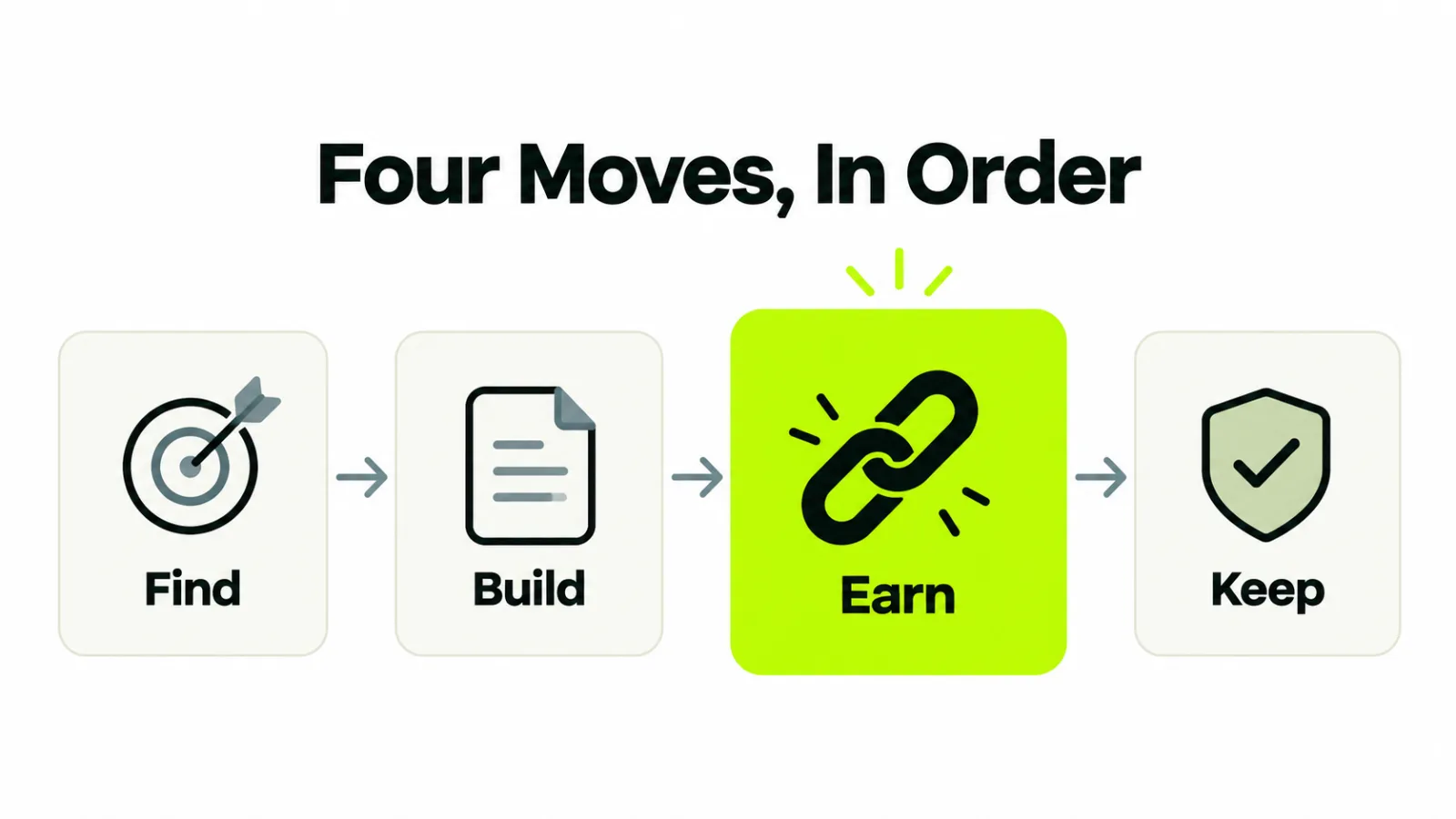
Four things move the number, and the order matters because each one makes the next cheaper.
Find where authority comes from. Look at the pages outranking you and the links they hold. Our guide to competitor backlinks covers how to sort what you can earn from what you can’t.
Build something worth linking to. Links go to a reason, and original product data or a working tool is a better one than another article. Our guide to linkable assets covers what SaaS teams can build.
Earn links from sites that carry weight. One link from a strong site counts for more than a pile of weak ones, because the score weights each source by its own. Pitch the publications, partners and communities your buyers already read.
Keep what you’ve earned. Losing a strong source can pull the score down, so recover lost links before chasing new ones. Our guide to link reclamation covers how.
What doesn’t move it
Much of the common advice is about ranking rather than about the score. It’s worth doing for other reasons, but it can’t change a number built from links.
| Advice | Feeds the score? | What it does instead |
|---|---|---|
| New links from relevant, strong sites | Yes, directly | Also sends referral traffic and supports rankings |
| Keeping and recovering existing links | Yes, by protecting it | Avoids drops when a strong source disappears |
| Content and assets that earn links | Indirectly, through the links | Gives pitches a reason to land |
| On-page changes and page speed | No | Helps pages rank and convert |
| Internal linking | No | Moves authority around your own site |
| Buying links | Briefly | Doesn’t carry into rankings, and adds risk |
None of that makes on-page work pointless. It makes it a different job from raising the score.
The number moves in steps
Both scores are logarithmic. Climbing from a low score takes far less authority than climbing from a high one, so early gains look quick and later ones slow down.
It also moves in jumps. One large link landing, or one large source dropping away, can shift it by more than a month of steady work.
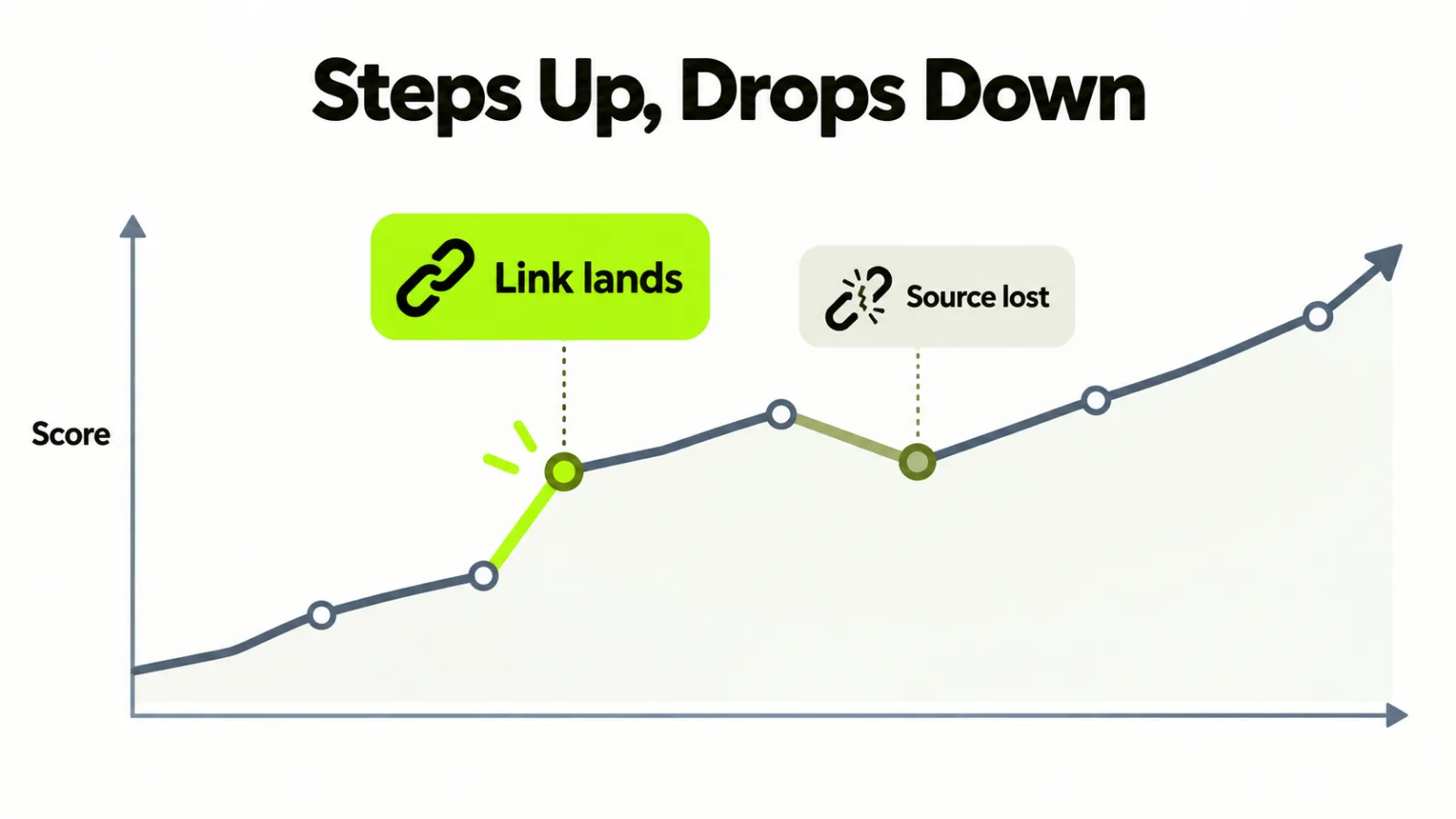
Don’t read a single month. A dip can be a lost source, a refresh of the tool’s own index, or nothing at all. Look at the trend over a quarter, and compare inside one tool, because two tools score the same site differently.
Use the number as a comparison, not a target
The useful reading is relative. Where do you sit against the pages outranking you, and is the gap closing?
It’s also a sanity check on vendors. When someone promises links from “DA50+” sites, they’ve swapped the goal for the metric, which our post on generic link building failing SaaS covers.
Chasing the score directly is how teams end up buying it. A bought lift can show briefly. It doesn’t carry into rankings, and our guide to white hat link building covers the test for telling an earned link from a purchased one.
If you’d rather have the gap closed than measured, that’s the work in our SaaS link building services.
Frequently asked questions
How long does it take to increase domain authority?
Quarters, not weeks. Links have to be earned, crawled and counted, and the scale is logarithmic, so each point costs more than the last. A monthly rise or dip is mostly noise.
Can you increase domain authority without backlinks?
Not the score itself. Both major scores are built from link data. On-page work, speed and design can help pages rank and earn links later, but they don’t feed the number directly.
Is a higher domain authority worth chasing?
As a comparison, yes. As a target, no. A site with a lower score can outrank a rival on a specific term, and our definition pages cover why the score isn’t a ranking factor.
Do scores differ between tools?
Yes. Each tool crawls its own link index, so the same site scores differently in each. Compare like with like inside one tool, and read the trend rather than a single reading.
Can buying links raise it?
Briefly, and not usefully. Low-quality schemes can lift the score for a while without moving rankings, which is the swap that makes the number a poor thing to buy.
What if your score drops?
Check for a lost source first. One strong link going away can pull the score down, and a refresh of the tool’s own index can shift scores with nothing changing on your site.