SaaS Link Building
Competitor Backlinks: Which Ones You Can Actually Earn
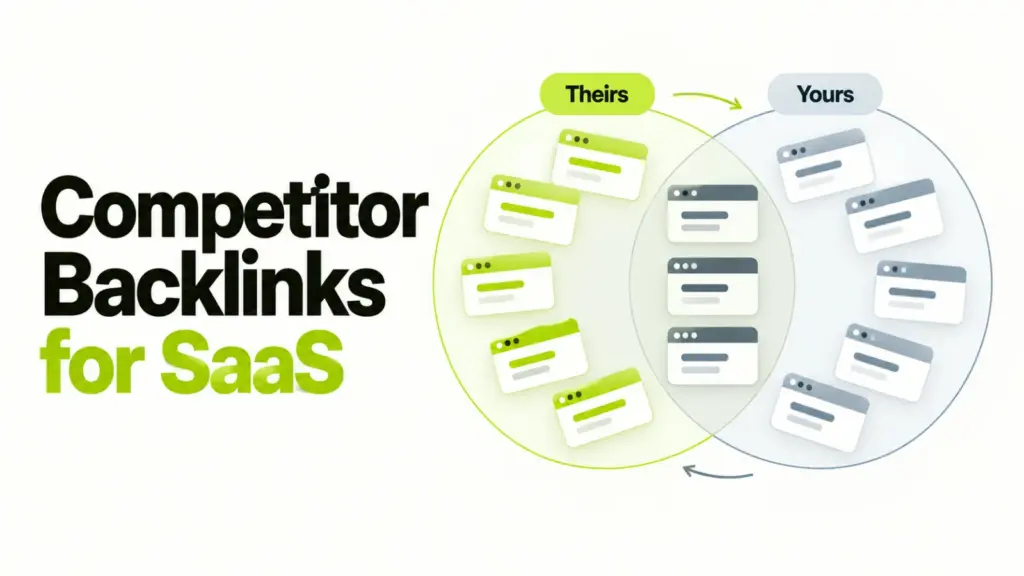
Competitor backlinks tell you where the authority gap is. They don’t tell you which of those links you could earn, and for B2B SaaS that’s most of the analysis.
A gap report that says a rival has four hundred domains you don’t is a number, not a plan. The useful output is a shortlist you could work through this quarter.
Here’s how to get from one to the other, and what to drop on the way.
What the analysis is for
A competitor backlink analysis answers one question: which sources already link to companies like yours, and which of them haven’t linked to you yet.
That’s a prospect list with evidence attached. Every domain on it has demonstrated it will link to something in your category, which is more than any scraped list can say.
It isn’t a target count. Our post on backlinks a SaaS needs covers why the number is the wrong end of the problem. The gap is the answer to that question, so this analysis is how you produce it.
Pick the pages that outrank you, not the companies you compete with
The most common error happens before any export. Teams analyze the companies they compete with commercially, which are often not the pages beating them in search.
Your product rival may rank for nothing. The page taking the traffic can be a review site, an affiliate roundup, or a competitor’s documentation that happens to answer the query.
A rival’s dead pages are worth the same look. Our guide to broken link building covers the sunsets and retired tools that leave claimable links behind.
Choose per term, not per company. For each target term, take the three to five pages ranking above you and treat those as the competitor set. The set changes by term, and that’s the point.
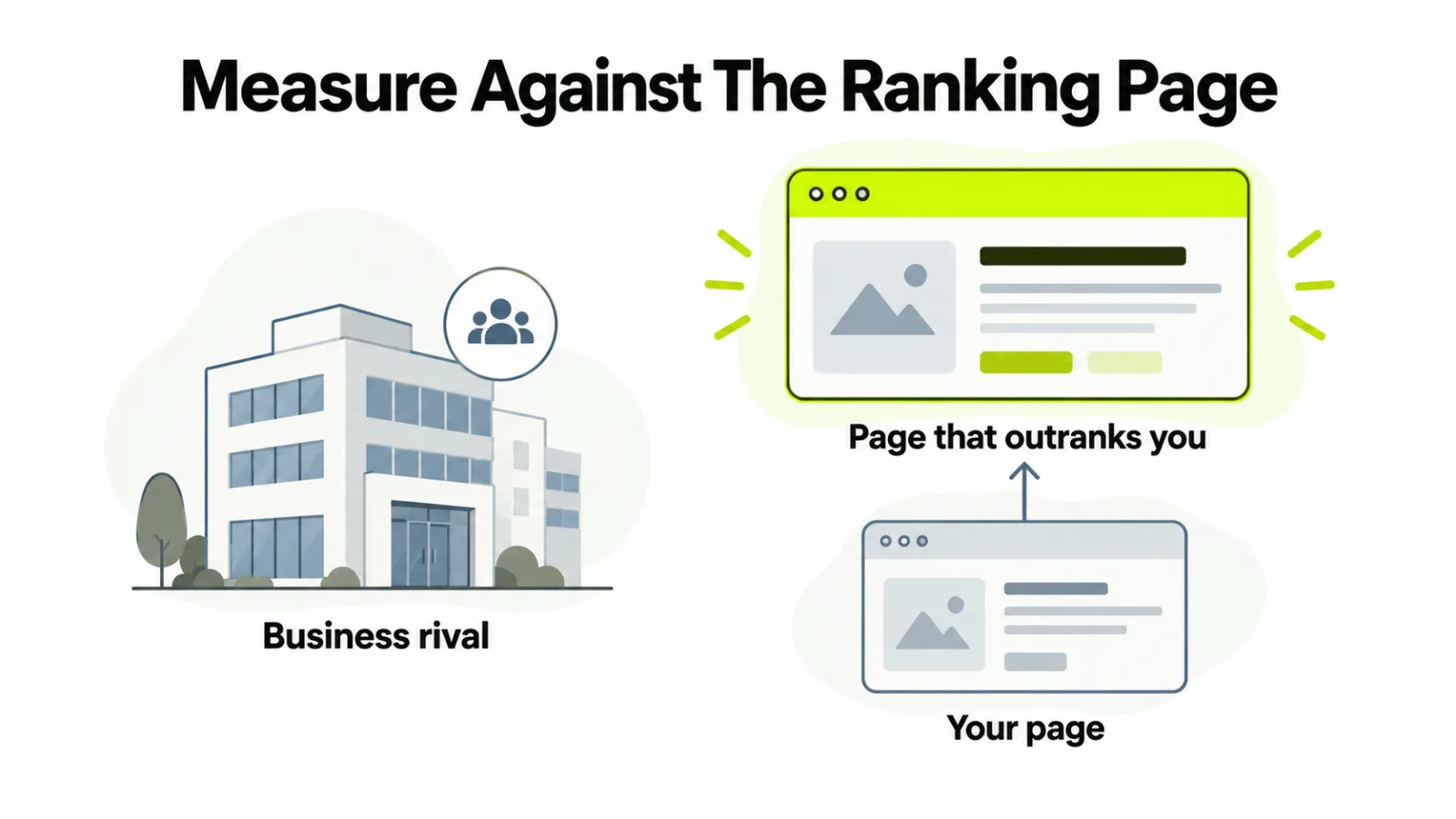
Sitewide profiles are the wrong unit for the same reason. A rival with a huge profile might have earned all of it on a blog that has nothing to do with the page you’re trying to beat.
Run the intersect
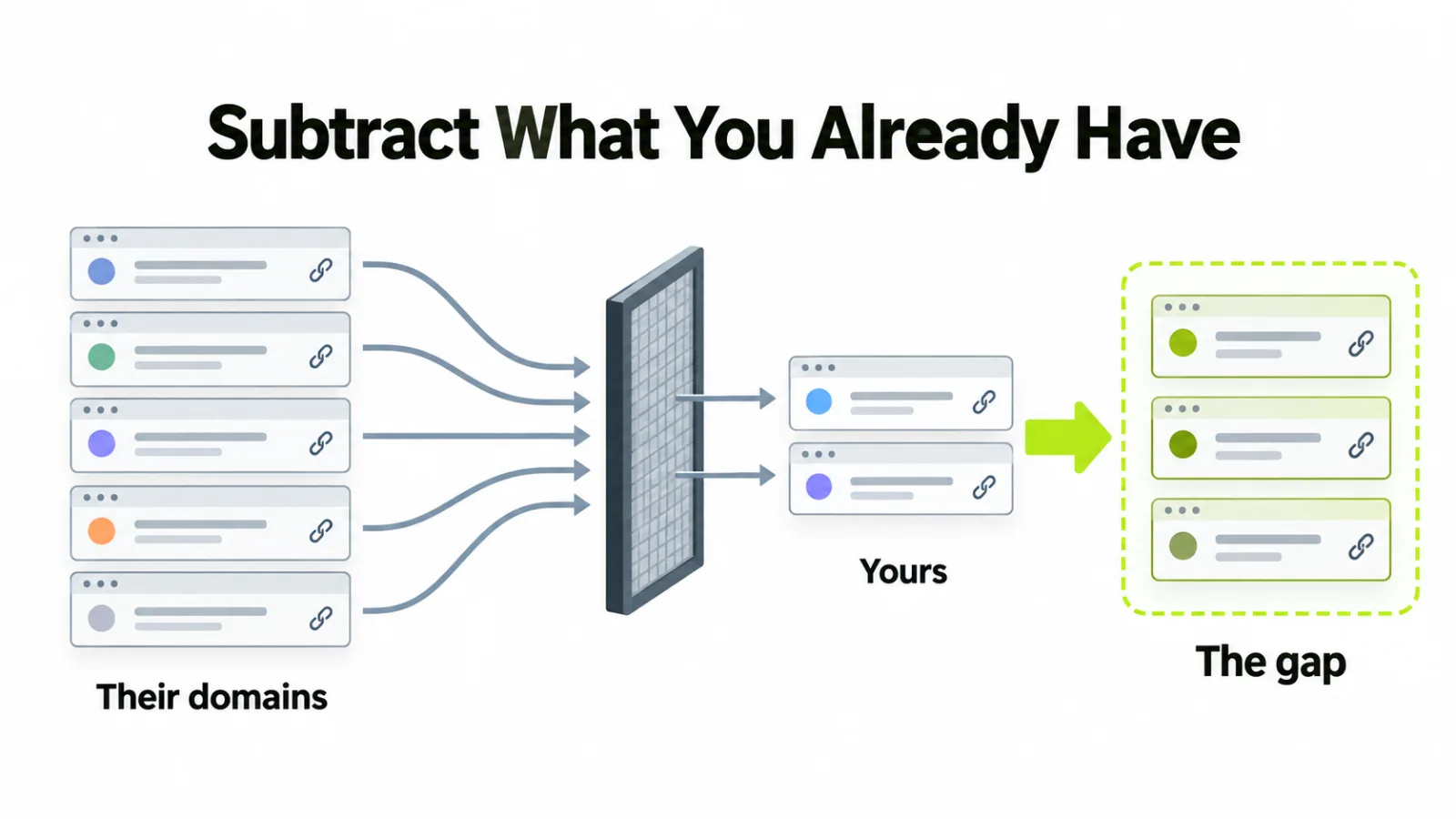
Export the referring domains for each of those pages, then subtract the domains already linking to you. What’s left is the gap.
Any backlink tool does this in a few minutes, and the tool matters less than the unit. Work in domains rather than links, because fifty links from one site is still one relationship.
Keep the page-level detail. Record which competing page each domain linked to and what the linking page was about. You’ll need both to judge whether the link is repeatable, and that context is gone once the export becomes a list of hostnames.
Hold onto one definition here. What a backlink is, in search terms, is a vote with context attached, and that context is what you’re copying.
Sort the gap into four buckets
This is the step the tools can’t do, and it’s where the analysis becomes a plan. Every domain in the gap belongs in one of four groups.
| Bucket | What it looks like | What to do |
|---|---|---|
| Earn now | Roundups, resource pages, comparison posts, communities your buyers read | Queue it this quarter |
| Needs an asset first | Links to original data, tools or research you haven’t published | Build the asset, then pitch |
| Structural | Funding coverage, acquisitions, partner directories, customer stories | Note it and move on |
| Leave it | Paid placements, expired-domain networks, directory spam | Exclude from the list |
The third bucket is the one SaaS teams underestimate. A competitor that raised a round has coverage you cannot pitch for, and a competitor with an integrations programme has directory links that came with the partnerships.
Counting those as targets is how a quarter of outreach ends with nothing live. Naming them as structural is honest, and it makes the remaining list credible.
What the second bucket tells you
When most of the gap needs an asset first, that’s the finding. It means the competitor isn’t out-outreaching you, they’re out-publishing you, and no amount of pitching closes that.
Our guide to linkable assets covers what SaaS teams can build that content sites can’t, usually from product data nobody else has.
The same applies to earned coverage. If their links come from digital PR, the gap closes with a story and a dataset rather than with a better pitch template.
Qualify what survives
A domain that linked to a competitor isn’t automatically worth having. It cleared their bar, which may be lower than yours, or may have been a rate card.
Run each surviving domain through the same test you’d apply to any prospect. Our guide to evaluating backlink quality covers the factors. And white hat link building covers how to tell an earned placement from a bought one.
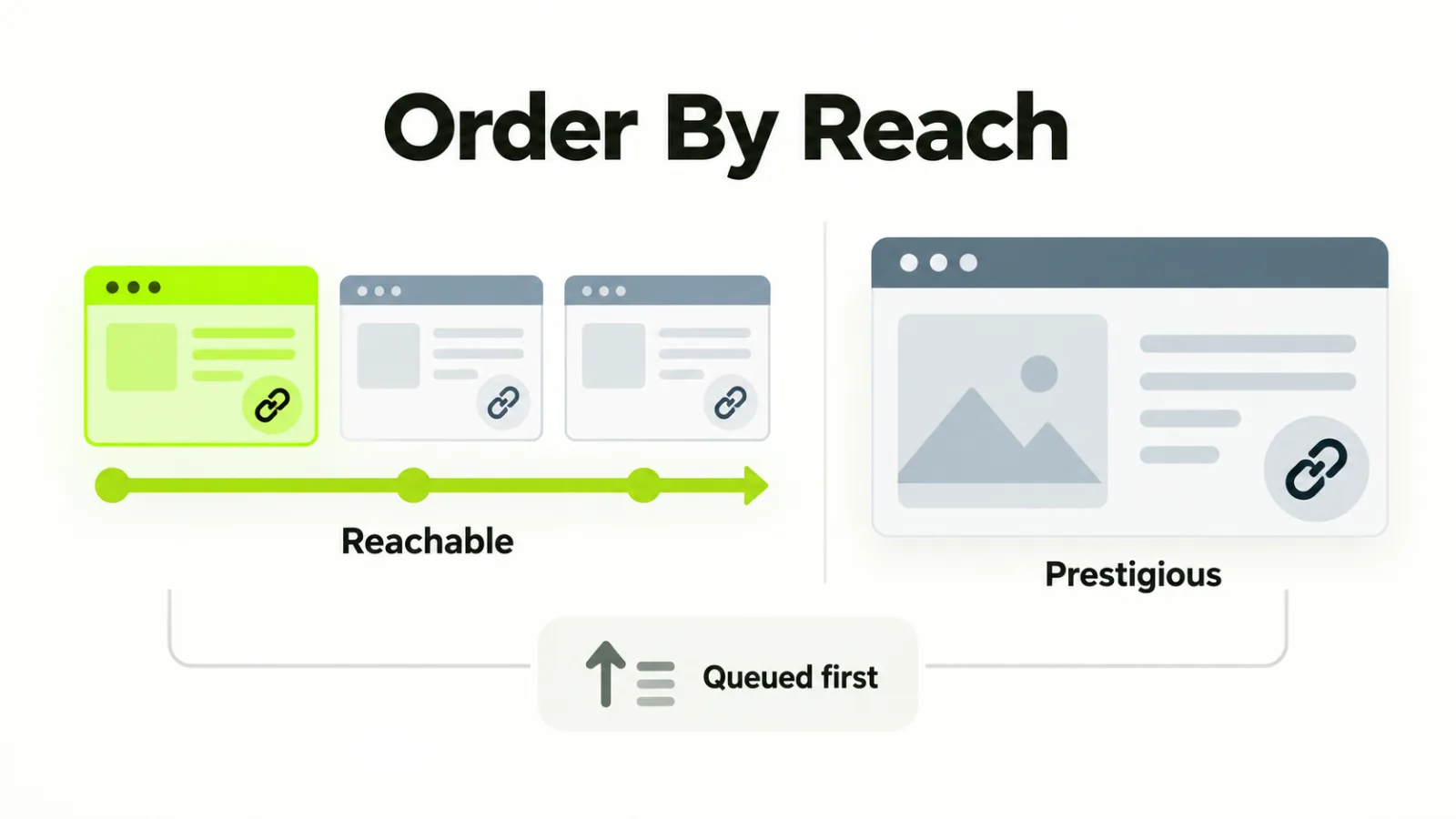
Then order the list by effort rather than by authority score. Ten reachable links beat two prestigious ones you’ll never land, and the reachable ones fund the patience the big ones need.
Turn the shortlist into a campaign
The gap list is an input to outreach rather than a substitute for it. Each domain still needs a reason to link, a specific page to link to, and someone to pitch.
Our link building checklist covers the sequence once the list exists, including the qualifying bar and the anchor plan.
Re-run the analysis quarterly. The gap closes from both ends, because competitors keep earning links while you do, and a stale list sends you after domains that already link to you.
What a gap analysis won’t tell you
It won’t tell you whether the pages you’re trying to rank deserve links yet. A page with nothing worth citing stays unciteable whatever the gap report says.
It also can’t see relevance the way a reader does. Two domains with the same authority can sit in different worlds, and only one of them has your buyers in it.
Judging that is most of what our SaaS link building services do before any outreach starts.
Frequently asked questions
How do you find a competitor’s backlinks?
You export the referring domains for the pages that outrank you rather than for the whole site, then subtract your own. Any backlink tool does this. The export is the easy part, and the sorting that follows is the work.
How many competitors should you analyze?
Three to five pages, chosen per target term rather than per company. More than that and the gap list stops being a list and starts being a database nobody opens.
Should you try to replicate every competitor link?
No. A large share of a SaaS profile comes from funding coverage, acquisitions, partner directories and customer stories, none of which transfer. Chasing those is how a quarter disappears with nothing live.
Are competitor backlinks a good way to find prospects?
They’re the best cold source available, because every domain on the list has already linked to a company like yours. That’s a warmer start than a scraped list, though it still needs qualifying.
What if a competitor’s links look bought?
Leave them. A profile built on paid placements is a liability you’d be copying, and the gap it creates is one you want. Judge each source on its own merits instead.
How often should you re-run the analysis?
Quarterly is enough for most SaaS categories, plus once after any competitor launches something big. Run it monthly and you’ll mostly watch the same domains move around.