SaaS Link Building
Best Link Building Strategies for B2B SaaS
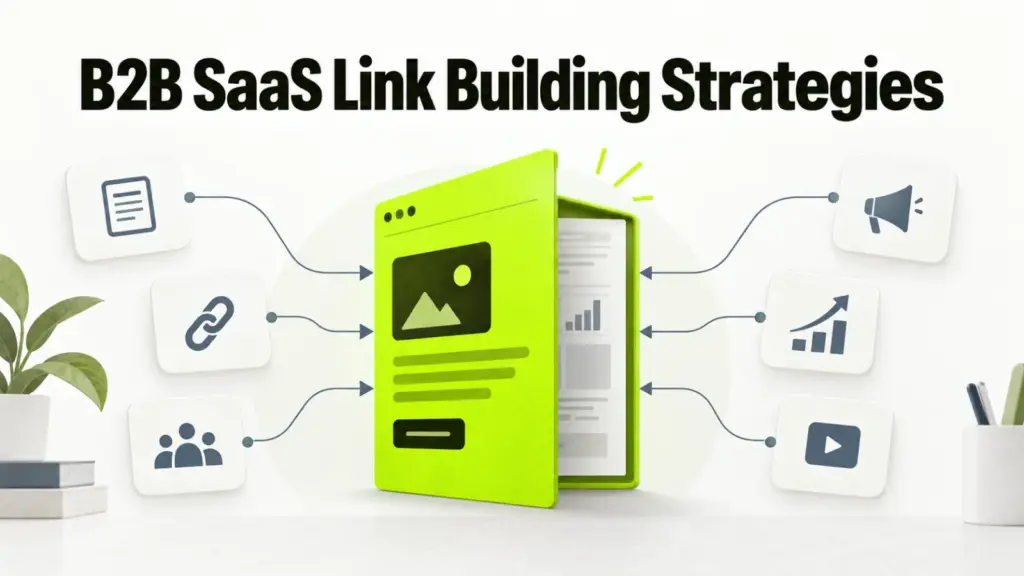
The best link building strategies for B2B SaaS are the ones that earn relevant, editorial authority on merit: digital PR and original data, content-led linkable assets, strategic guest posting, niche edits, brand-mention reclamation, and genuine community presence, deployed as a coordinated system rather than a single tactic. No single method builds a defensible position. The companies that win in organic search and AI answers run several strategies at once, weight them to their stage and category, and judge every link by relevance rather than raw count. This guide breaks down the strategies that work for software companies and shows you how to prioritize them.
What makes a link building strategy work for B2B SaaS
A B2B SaaS link building strategy works when it prioritizes topical relevance, editorial trust, and the pages that drive pipeline. SaaS buying cycles are long and research-heavy, and your buyers are technical and hard to impress. So a link only counts when it sits in a context they and search engines respect, and points at a page that moves revenue.
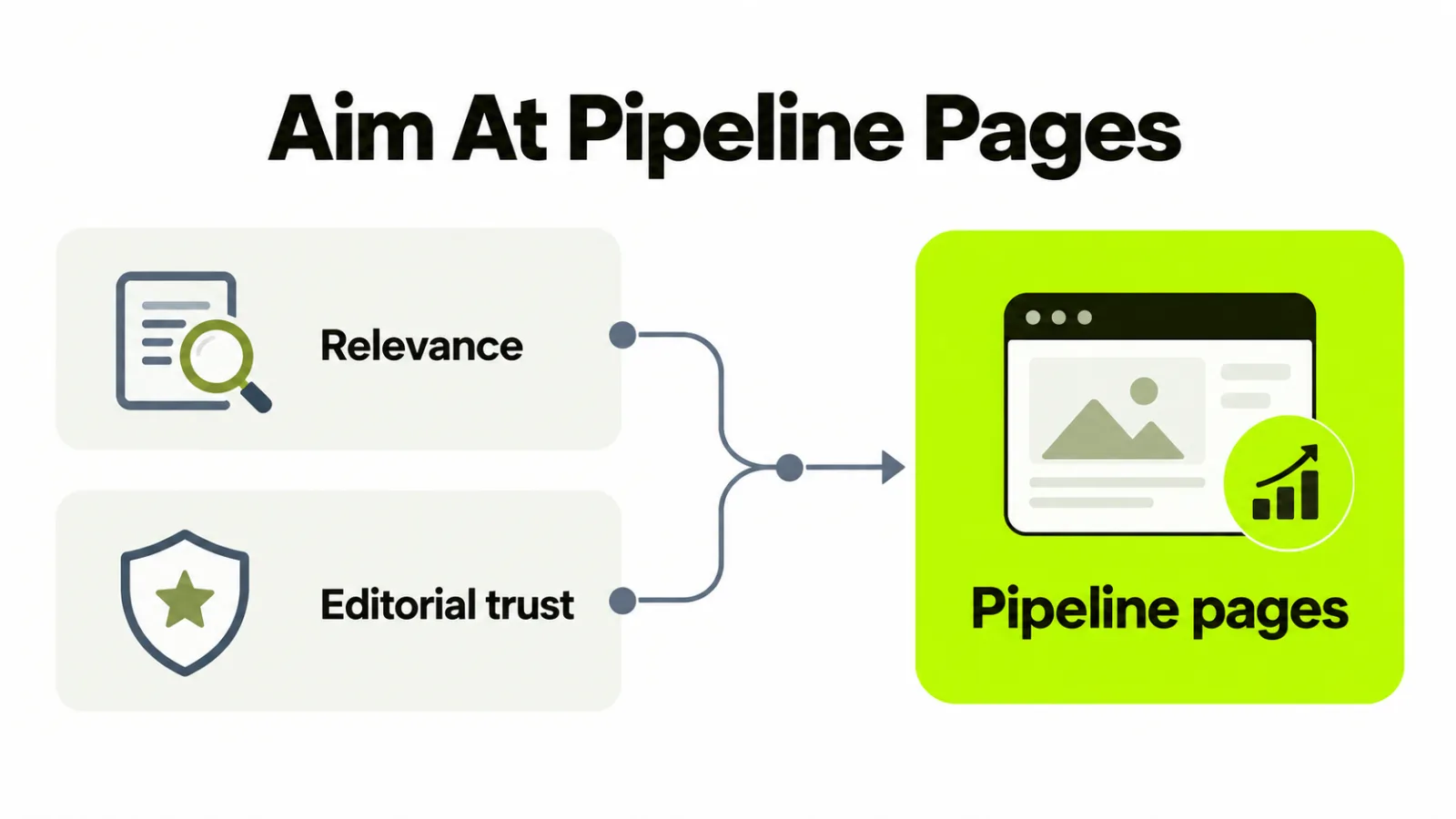
That distinction kills the volume-first tactics that pad cheap link packages and rewards the methods that earn authority the hard way. Start from your category, your competitors, and your priority pages, then pick the mix of tactics most likely to win relevant authority for them. That’s the gap between buying backlinks and building an authority system, and it’s the foundation of our SaaS link building services.
The link building strategies that actually make a difference
Six strategies consistently earn durable authority for B2B SaaS, and the strongest programs combine several of them. Each one produces a different signal, which is exactly why they pay off when you run them together.
| Strategy | What it earns | Best for |
|---|---|---|
| Digital PR & original data | High-authority editorial links and press coverage | Category authority and AI citations |
| Content-led linkable assets | Passive links to research, guides, and tools | Authority that builds over time |
| Strategic guest posting | Contextual links on relevant publications | Topical relevance and reach to buyers |
| Niche edits / link insertions | Links inside aged, already-ranking pages | Reinforcing priority pages efficiently |
| Brand-mention reclamation | Links from mentions you have already earned | Fast, low-risk authority wins |
| Community presence | Referral traffic and entity signals | Reaching buyers and feeding AI visibility |
Digital PR and original data
Publish original research, surveys, and data studies, and you give journalists a reason to cite you, earning high-authority editorial links your competitors cannot buy. This is the most durable strategy you have. One strong data asset keeps earning links for months and feeds the entity authority AI engines reward. Our SaaS PR services are built around exactly this.
How digital PR compares with outreach-led link building, and when to use each, is covered in SaaS digital PR vs link building.
Content-led linkable assets
Definitive guides, free tools, frameworks, and benchmarks pull links on their own, because people cite the resources they use. These assets keep earning links long after launch, which is why content-led link building pays off instead of spiking and fading.
Strategic guest posting and niche edits
Editorial guest posts on relevant publications build topical relevance and put your brand in front of buyers. Niche edits place links inside pages that already rank, reinforcing your priority content without waiting for a new page to mature. Both work only when relevance and editorial standards come first, and fall apart when they don’t.
One situational tactic belongs beside those. Our guide to broken link building covers when a dead page in your category is worth the outreach, and when it isn’t.
Brand-mention reclamation and community presence
Turning an unlinked brand mention into a link is one of the fastest, lowest-risk wins on this list, because the endorsement already exists: you are just claiming the link. And showing up for real in the communities where your buyers gather drives qualified referral traffic and builds the entity signals that increasingly shape what AI recommends.
Best-of lists work the same way: an author already compares products in your category, and the job is to be included on merit. Our guide covers getting into best-of lists without paying for a spot.
How to prioritize link building strategies by stage
Prioritize strategies by your stage and goals: early-stage SaaS should build relevance and foundational authority first, while established brands should lean into high-authority PR and entity reinforcement. Run every tactic at once and you dilute focus. Sequence them and you concentrate impact.
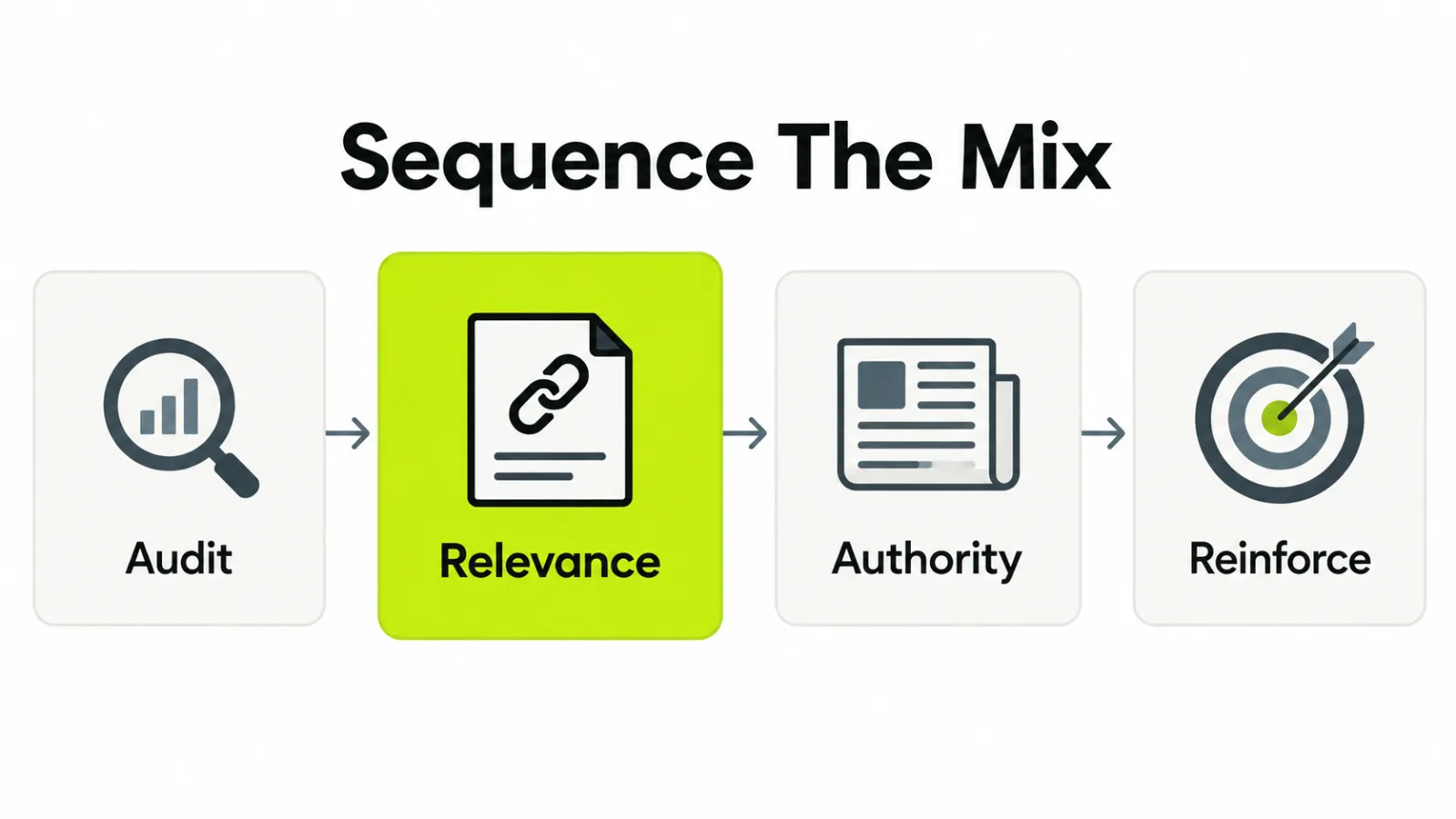
1. Audit and map
Pin down your priority pages, your competitors’ link gaps, and the topics you need authority on before you commit to any tactic.
2. Build a foundation
Early on, weight toward content-led assets, relevant guest posting, and brand-mention reclamation to establish relevance and bank some quick wins.
3. Layer in authority
As you mature, invest in digital PR and original data for the high-authority links and brand recognition that lift everything else.
4. Reinforce and measure
Use niche edits to push pages that sit just outside the top results, and track what matters: rankings, referring domains, AI citations, pipeline, so you can reallocate effort every cycle.
The throughline is intent: every link should trace back to a deliberate plan. A coordinated SaaS backlink strategy ties these tactics to your topic clusters and revenue pages so they pay off instead of scattering. Want help sequencing the right mix for your category? You can talk to our team.
Frequently asked questions
What is the best link building strategy for B2B SaaS?
There isn’t one. The strongest results come from running digital PR, content-led assets, guest posting, niche edits, brand-mention reclamation, and community presence as a coordinated system. Digital PR and original data tend to build the most durable authority, but they perform best alongside tactics that reinforce relevance and your priority pages. The right mix comes down to your stage, category, and goals.
Which link building strategy is best for an early-stage SaaS startup?
Early-stage SaaS usually gets the most from content-led linkable assets, relevant guest posting, and brand-mention reclamation: they build topical relevance and deliver wins faster. As your authority and budget grow, layer in digital PR and original data for the high-authority links and brand recognition that lift the whole program. Sequencing beats trying every tactic at once.
How many link building strategies should we run at once?
Most SaaS companies run two to four complementary strategies, weighted to their stage, rather than firing off every tactic at once. A focused mix produces more relevant authority than spreading thin. You want a coordinated system where each tactic reinforces the others instead of a pile of disconnected campaigns.
Once the mix is set, each campaign still has to be run well. Our link building checklist covers that side, from qualifying targets to confirming each link stays live.
Do these strategies help with AI search visibility?
Yes. The same earned links and brand mentions that build search authority also shape whether AI engines cite and recommend you. Digital PR and community presence punch hardest here, because they create the consistent, credible references answer engines lean on to decide who to trust. Build authority the right way and you improve traditional and AI-driven discovery in one move.
How is this different from buying backlinks in bulk?
Buying backlinks optimizes for volume and ignores relevance, which produces fragile links that do little for rankings and can put your brand at risk. These strategies earn relevant, editorial authority on merit, durable and brand-safe. The difference is building an authority system versus renting a batch of links you’ll regret.
How do we measure whether a link building strategy is working?
Measure outcomes: movement on priority-page rankings, growth in relevant referring domains, AI-answer citations, and contribution to pipeline. Link counts on their own tell you almost nothing about whether authority is turning into demand. Tie the work to these metrics and you can see what’s landing and shift effort toward the strategies paying off.